I'm unconvinced that we have any idea what a temperature rise will do. We've already had mass flooding, natural disasters, crop failures, starvation, and societal collapses for thousands of years. People apparently survived during the Ice Age, which was quite a bit colder than 4 deg, so I'm guessing the +4 deg is handleable, too. The lush plant growth and large animals of past hot ages makes me think it must be pretty livable. I doubt the food chains in the ocean or land will break down; we've seen plenty of robust food chain in previous hot ages. If the ocean can support huge dinosaurs and giant ammonids in hotter ages, seems like the food chain will do just fine.
People might have to move and change their habits, though. And national borders might change or societies collapse if people don't move/change.
> People apparently survived during the Ice Age, which was quite a bit colder than 4 deg, so I'm guessing the +4 deg is handleable, too.
As far as I'm concerned, the point isn't about what temperature is objectively best, it's about the degree of change, and the cost of adaptation. Modern industrial civilization is built up progressively in certain geographical locations, with absolutely enormous sunk investments. If we had built our cities, our towns, our power plants, and ports during a climactic equivalent to the last ice-age, we would be absolutely fucked if the climate shifted in a short period of time to where it is now. During the last ice age there was a land mass which linked Britain to Norway, Denmark, France and the Netherlands, and sea levels were 100m lower than they are today. The northern ice cap covered everything north of London, and the Sahara was fertile. To go from that climate to the climate today would involve a level of cost that it is difficult to comprehend.
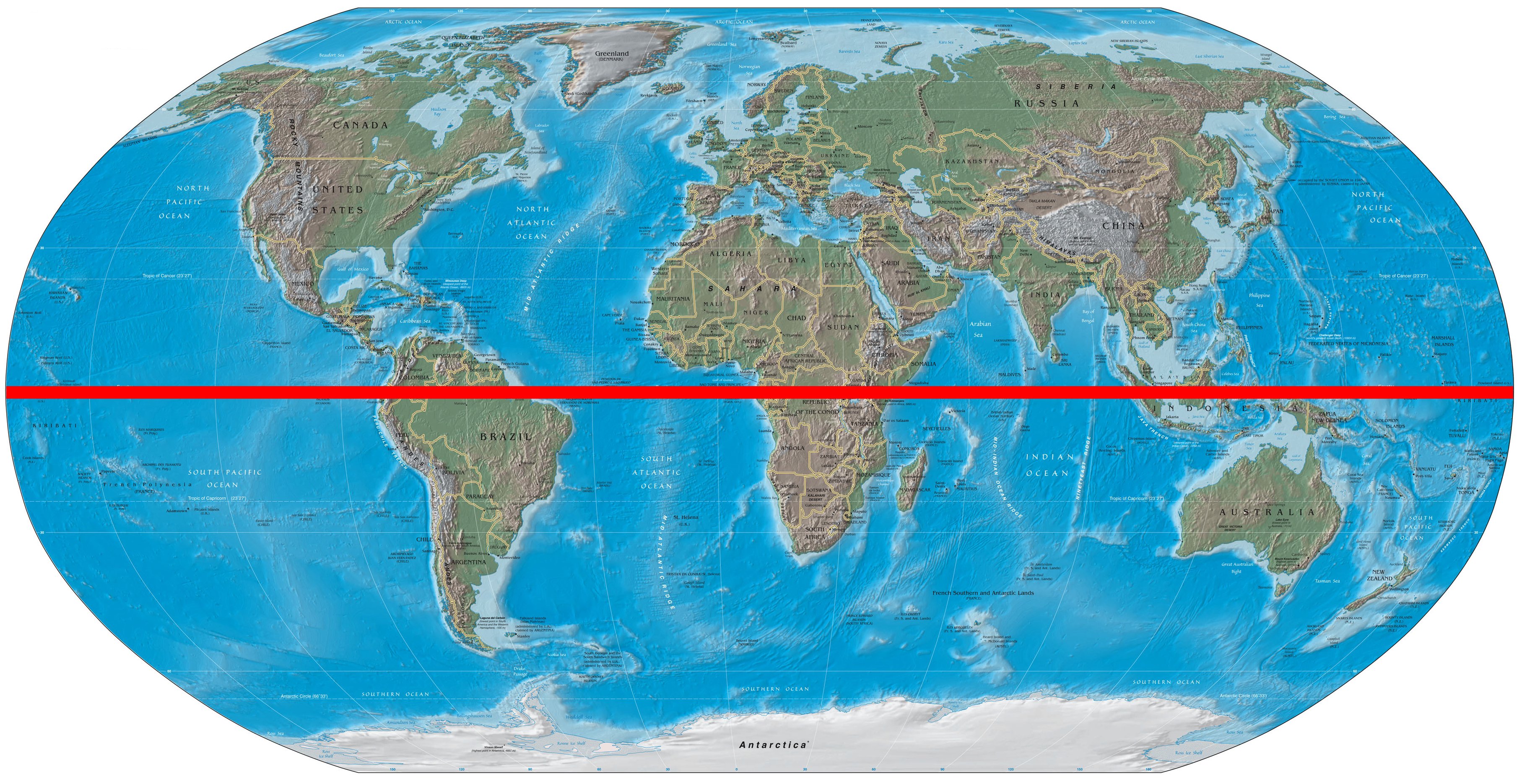
What I think most people miss, is most people don't live near the equator for a wide range of reasons and most infrastructure can't be moved. Also, there is less sunlight when you move further north so worm does not mean good farmland.
Yes, civilization will survive, but it might cost ~20% world GDP which is far more than swapping to non CO2 energy.
Well, warmer in the north means longer growing seasons than at present, so that makes the land capable of growing better crops. Plus, there is less sunlight in the winter, but a lot more sunlight in the summer, which happens to coincide with the growing season.
What is the cost of swapping to non-CO2 energy? I don't think that number exists. Also, I'm not entirely convinced that switching to completely non-CO2 energy is even practical at present. Could we provide our energy needs with full solar / wind, even if we were willing to pay the price, given current efficiency and availability of supply? What do we do when it is dark or not windy?
I totally don't understand your point about the red line on the map. I was already familiar with the location of the equator, which is what it seems to emphasize. The reason most people don't live at the equator is that most land is not at the equator. A lot of the land there is desert, but that is not the equator's fault. The people that are in the watered parts get all sorts of diverse plants and animals to live in, and yummy tropical fruits. I'll take more of that up north, thanks!
You get longer days, but less sunlight overall. It's an angle thing and even with 24 hours of sunlight it never gets hot at he poles. Also, there summers are much shorter.
As to swapping out from C02 energy wind is near parity with coal, and raw energy is not that large a chunk of the worlds economy.


People might have to move and change their habits, though. And national borders might change or societies collapse if people don't move/change.