American “cursive” is what is known in other countries as script. It’s the kind of thing you might learn on a calligraphy course. Although there is overlap, it’s not the same as e.g. what in the UK is known as “handwriting” which is writing with the letters joined together explicitly for the purpose of comfort and efficiency with zero aesthetic intent.
At least for me, though I believe the majority of the UK would agree, handwriting (“cursive”) is what I use in daily life, e.g. writing a shopping list, and that print is reserved for whenever I want to be neat and formal and have others understand my handwriting - but it’s kind of a chore to write.
I believe that the handwriting I and my generation at least were taught in school is quite close to US cursive - we had special notebooks teaching us how to "properly" draw the letters, and had several classes where we were graded on our penmanship. The details of some letters will definitely differ, but the script was definitely far from print letters [0].
Now, in later classes, especially in middle and high-school, developing your own handwriting style was common and not problematic - and many, including myself, adopted some print letters while still using many cursive ones as well.


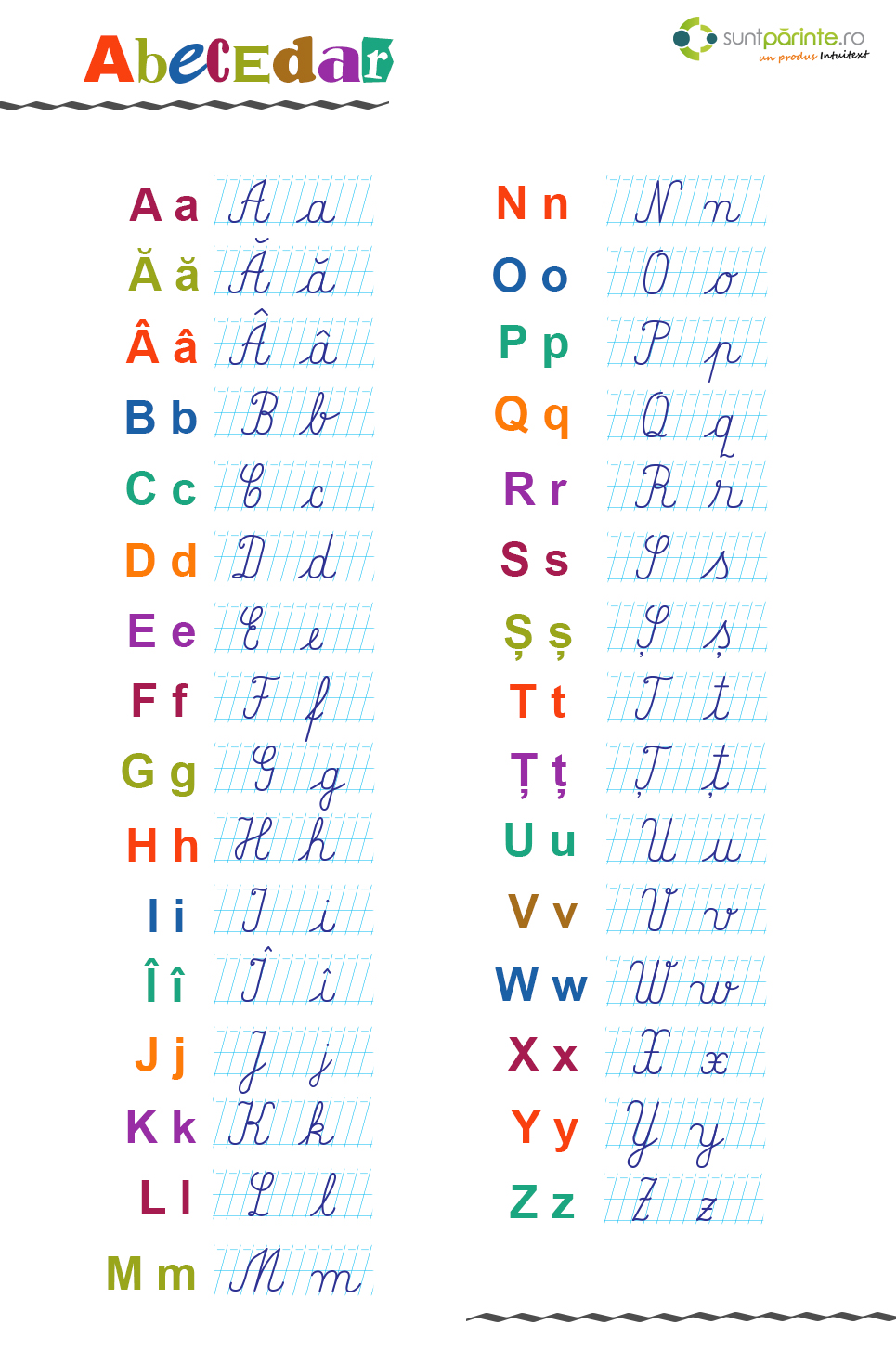
American “cursive” is what is known in other countries as script. It’s the kind of thing you might learn on a calligraphy course. Although there is overlap, it’s not the same as e.g. what in the UK is known as “handwriting” which is writing with the letters joined together explicitly for the purpose of comfort and efficiency with zero aesthetic intent.
At least for me, though I believe the majority of the UK would agree, handwriting (“cursive”) is what I use in daily life, e.g. writing a shopping list, and that print is reserved for whenever I want to be neat and formal and have others understand my handwriting - but it’s kind of a chore to write.